





Sound masking in buildings
Sound masking is the process of adding a low level, unobtrusive background sound to an environment to reduce the intelligibility of human speech and reduce noise distractions in that environment. The sound is typically introduced through speakers installed in or above the ceiling. In many cases, the distractions can be significantly reduced down to about 15 feet.
Sound masking can be used in public buildings, large open office spaces and noisy work environments where distractions can cause a reduction in productivity.
The key to a successful sound masking installation is the uniformity of the sound delivery, the spectrum of the sound and the volume of the sound. Uniform sound delivery requires that the speakers not be facing towards the occupants of the space. As employees circulate through the space, they should not be able to discern the location of the speakers. A consistent sound delivery allows our human brains to filter it and push it out of our consciousness. Successfully achieving this balance of sound frequency and sound levels will determine the success of the system.
[edit] Related articles on Designing Buildings Wiki
- 2015 Government response to media reports about noise complaints
- Airborne noise
- Approved Document E.
- Ash deafening.
- Audio frequency.
- Building acoustics.
- Building Bulletin 93: acoustic design of schools.
- Control of Noise at Work Regulations 2005.
- Decibel.
- Flanking noise
- Flanking sound.
- Impact noise
- New noise guidance
- Noise nuisance.
- Noise pollution.
- Noise v sound.
- Privacy.
- Reverberation time.
- Speech privacy.
- Sound absorption.
- Sound absorption coefficient.
- Sound frequency.
- Sound insulation.
- Sound v noise
- Structure-borne sound.
[edit] External references
Featured articles
Check out some of the best features and news from Designing Buildings as well as key stories from around the web.

New Prime Minister delivers on ECA call for cut in electricity costs.

CIOB reacts to the announcement of Andy Burnham as Prime Minister.

Heritage and conservation science workforce survey - Have your say.

England's Suburbs 1820-2020. Book review.

New, more proportionate and targeted approach for higher-risk building assessments.

Government brings British Steel into public ownership.

UKCW Birmingham returns with bold new theme and focus.

New guidance published on competence requirements for self-certification schemes.
Construction Management, 8 July

NEETs crisis drives interest in trades, but apprenticeships barriers remain.
Passive fire protection webinar
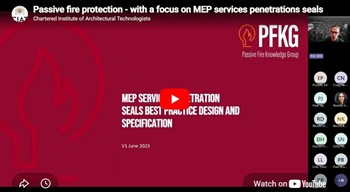
MEP services penetration seals.

Where its at podcast (and video) - The role of the Architectural Technologist as an Expert Witness.
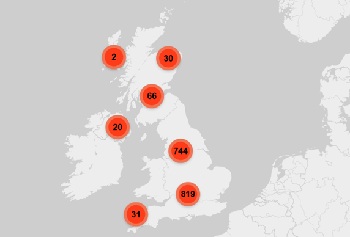
More than 200 remarkable buildings added to SAVE’s Buildings at Risk register.